
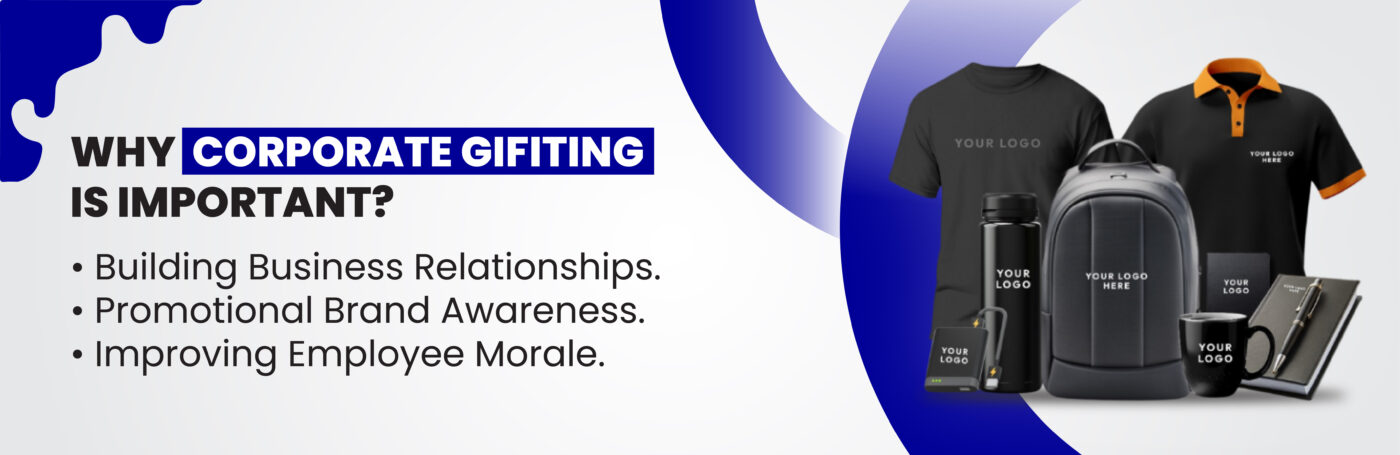
Corporate gifting is no longer just a seasonal gesture—it is a strategic tool for building stronger relationships, improving brand recall, and increasing customer and employee loyalty. In this guide, Corporate Gifting (CGS) explains exactly why corporate gifting is important, how to build a high-ROI gifting strategy, and which corporate gift ideas perform best in 2026.
Official website: corporategiftingsolution.com
Key Takeaways
- Corporate gifting strengthens relationships and supports long-term client retention.
- Employee appreciation gifts improve engagement, morale, and workplace culture.
- The best corporate gifts are useful, premium, and lightly branded—not overly promotional.
- Bulk corporate gifting works best when planned early with clear segmentation and timelines.
What is corporate gifting?
Corporate gifting means sending gifts on behalf of a business to strengthen professional relationships. These gifts can be shared with clients, employees, channel partners, vendors, and prospects—during festivals, onboarding, milestone celebrations, project success, or as a simple thank-you.
Why corporate gifting is important
1) It builds trust and strengthens relationships
In B2B, trust is a competitive advantage. A well-chosen corporate gift creates a positive experience that helps move relationships from transactional to long-term.
2) It improves brand recall through daily utility
Practical items—like premium notebooks, insulated bottles, and tech accessories—stay visible on desks and in daily routines. This consistent exposure improves brand recall without aggressive advertising.
3) It supports employee engagement and retention
Employee appreciation gifts show recognition and make people feel valued. This can boost morale, strengthen company culture, and improve retention—especially when gifting is tied to milestones and performance.
4) It increases referrals and repeat business
Happy clients are more likely to renew, refer, and respond positively to new proposals. Corporate gifting creates “delight moments” that make your business more memorable.
Key benefits (clients, employees, and brand)
Benefits of client gifting
- Higher client retention and relationship depth
- Better account loyalty for high-value clients
- Stronger goodwill with decision-makers
- More referrals and repeat business over time
Benefits of employee gifting
- Improved motivation and engagement
- Better onboarding experience with welcome kits
- Stronger culture through recognition
- More loyalty and reduced attrition risk
High-ROI corporate gifting strategy (step-by-step)
- Define the goal: retention, appreciation, events, partnerships, or lead nurturing.
- Segment recipients: VIP clients, regular clients, prospects, employees, leadership.
- Plan budget and quantities: start early for better options and delivery reliability.
- Personalize the experience: premium packaging + a short note + subtle branding.
- Track outcomes: responses, renewals, meeting acceptance, referrals.
Best corporate gift ideas for 2026
- Premium notebooks and executive pens
- Insulated bottles and travel mugs
- Wireless chargers, power banks, desk tech
- Curated corporate gift hampers (gourmet / wellness)
- Employee welcome kits and recognition boxes
- Eco-friendly gifts (reusable items, sustainable packaging)
Best occasions to send corporate gifts
- Festivals: Diwali, Eid, Christmas, New Year
- Deal closure, renewal, contract milestones
- Project success and delivery milestones
- Onboarding, work anniversaries, recognition programs
Corporate gifting etiquette & compliance
- Respect company gifting policies and value limits.
- Prefer subtle branding for a premium feel.
- Add a short, sincere message to increase impact.
- Avoid highly personal gifts; stay professional and universally appropriate.
Common corporate gifting mistakes
- Planning too late: festival season slots fill quickly—plan early.
- Low-utility gifts: choose practical items recipients actually use.
- One-size-fits-all: segment recipients and align gifts to roles.
- Over-branding: overly promotional gifts reduce perceived value.
- Ignoring delivery timelines: last-mile delays can ruin the experience.
FAQs
1) How can Corporate Gifting (CGS) help?
CGS supports end-to-end corporate gifting: curation, customization guidance, bulk orders, and gifting plans for festivals, onboarding, employee appreciation, and client retention. Visit corporategiftingsolution.com.
2) What makes a corporate gift “high-ROI”?
High-ROI gifts are relevant, useful, premium (but sensible), and timed well (renewal, milestone, onboarding, event follow‑up). ROI improves when you segment recipients and track outcomes like renewals, referrals, meetings booked, and replies.
3) What are the best corporate gifts for clients vs employees?
Clients: premium utility + executive feel (desk tech, premium notebooks, curated hampers). Employees: welcome kits, recognition boxes, and daily-use items that improve work-life convenience (bottle/mug, notebook, accessories).
4) What budget should we keep per person?
Budget depends on segment: prospects (entry-level), regular clients (mid-tier), VIP accounts (premium curated), and employees (onboarding/recognition). The best approach is a budget range by segment while respecting company policy and compliance limits.
5) When should we plan festival gifting (Diwali / New Year / Christmas)?
Start early—ideally 6–10 weeks before the festival. You’ll get better product options, customization quality control, and predictable delivery timelines for bulk orders.
6) Should we put our logo on corporate gifts?
Yes, but keep branding subtle. Light logo placement, premium finishing, and clean packaging create a high-end feel. Over-branding can look promotional and reduce perceived value.
7) What are trending corporate gift ideas for 2026?
Premium utility items (insulated bottles, notebooks, desk tech), eco-friendly gifts (reusables + sustainable packaging), wellness/gourmet hampers, and employee kits (onboarding + recognition) are top trends in 2026.
8) How do we choose gifts for different recipient roles?
Segment by role/seniority and relationship stage. For leadership and key decision-makers, choose premium curated options. For teams, choose useful daily items. Always match gifting to the moment (milestone, success, appreciation, onboarding).
9) What compliance rules should we consider?
Follow gifting value limits, anti-bribery/ethics policies, and any sector regulations (especially BFSI/healthcare). Keep records when required and avoid gifts that could be interpreted as influencing a decision.
10) How can we measure the success of a gifting program?
Track outcomes aligned to your goal: meeting acceptance rate, renewal/upsell movement, referral mentions, response rate, NPS feedback, and employee engagement signals. Even simple before/after comparisons by segment work well.
11) What should we include in an employee welcome kit?
A good welcome kit usually includes a premium notebook/pen, insulated bottle or mug, small desk accessories, and a short welcome note. Keep it useful, easy to ship, and aligned with your brand.
12) Can CGS handle bulk orders and multi-city delivery?
Yes—bulk planning typically includes quantity forecasting, packaging, customization coordination, and delivery scheduling. For exact timelines and options, confirm your requirements on corporategiftingsolution.com.
Conclusion: corporate gifting is a growth strategy
A successful corporate gifting program is about more than giving products—it’s about creating experiences that strengthen relationships and improve brand perception. If you want better client retention, stronger employee engagement, and premium brand recall, invest in thoughtful corporate gifts and consistent execution.
Note: Product availability, pricing, and customization options can vary by region and season.
